
Palm Sunday Celebrated at St Sarkis Church, London with Blessing of Children and “Trnbatsek” Rite
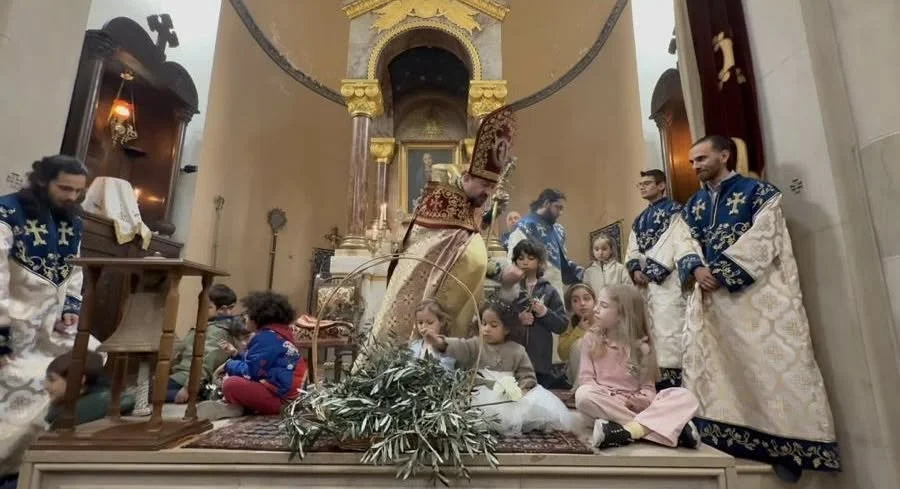
On Sunday, 29 March, Bishop Hovakim Manukyan celebrated the Divine Liturgy at St Sarkis Armenian Church in London, marking the Feast of Palm Sunday with a rich and prayerful liturgical programme.
The service brought together members of the Armenian community for one of the most significant celebrations preceding Holy Week. At the conclusion of the Liturgy, Bishop Hovakim conducted a special blessing of children, followed by the traditional Armenian rite known as “Trnbatsek” (Opening of the Door).
Palm Sunday commemorates the triumphal entry of Jesus Christ into Jerusalem, as recorded in the Gospels (Matthew 21:1–11; Mark 11:1–11; Luke 19:28–40; John 12:12–19). Christ entered the Holy City in humility, seated on a donkey, while crowds welcomed Him with palm branches and cries of: “Blessed is He who comes in the name of the Lord.”
In his sermon, Bishop Hovakim reflected on the deeper spiritual meaning of the feast: “This scene is not only a story. It is a question that is asked of each of us today: how do we receive our Lord?”
He emphasised that Christ’s kingship is not expressed through power or domination, but through humility, love, and sacrifice.
A distinctive feature of the Armenian Palm Sunday celebration is the “Trnbatsek” service, symbolising the opening of the gates—both of Jerusalem and of the human heart. During the rite, the clergy stand before the closed doors of the church and proclaim: “Open to us, O Lord, the door of Your mercy.” The ceremony expresses the truth that Christ is the door to salvation (John 10:9), and invites the faithful to reflect on whether they are ready to open their hearts to Him.
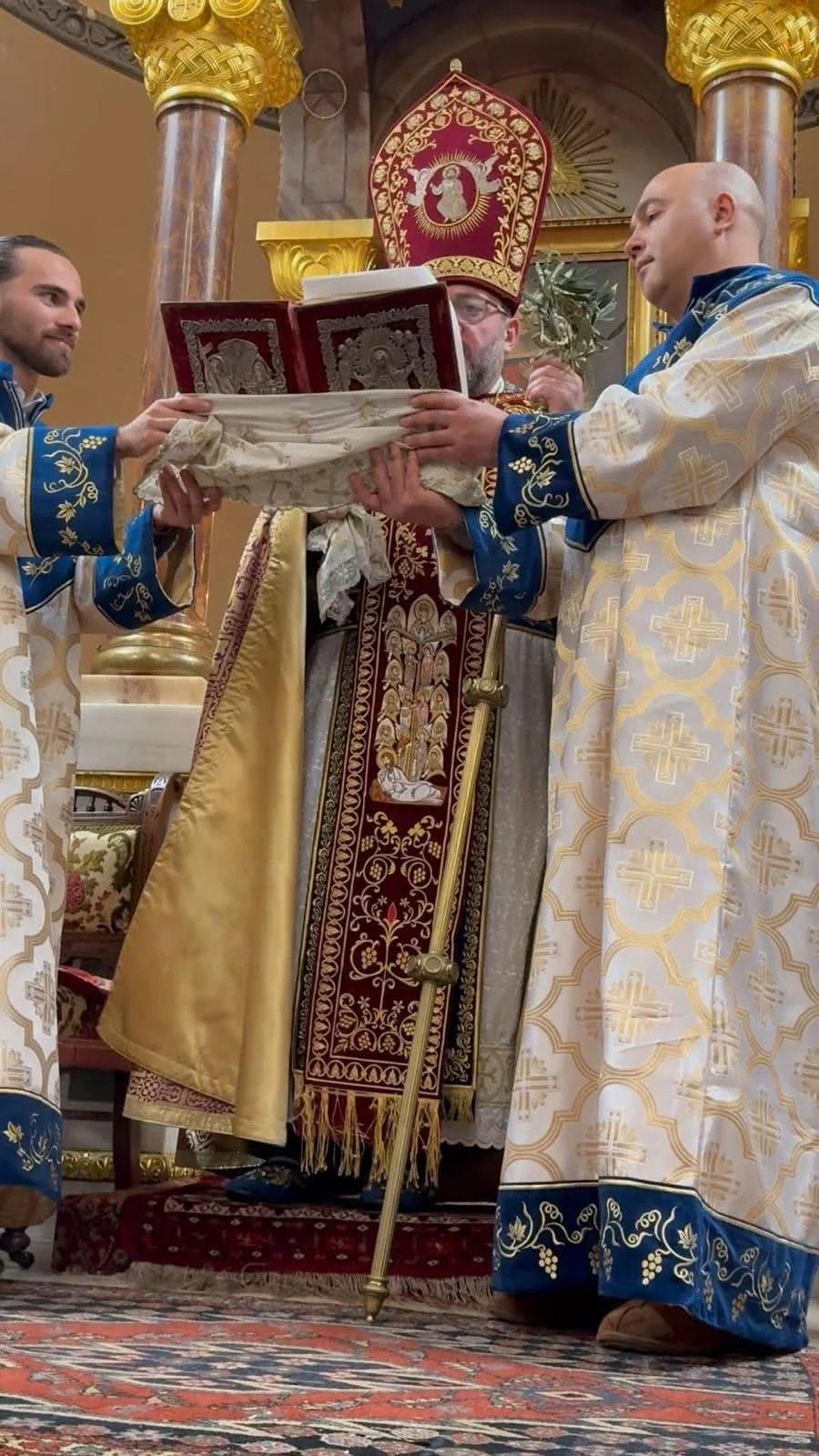
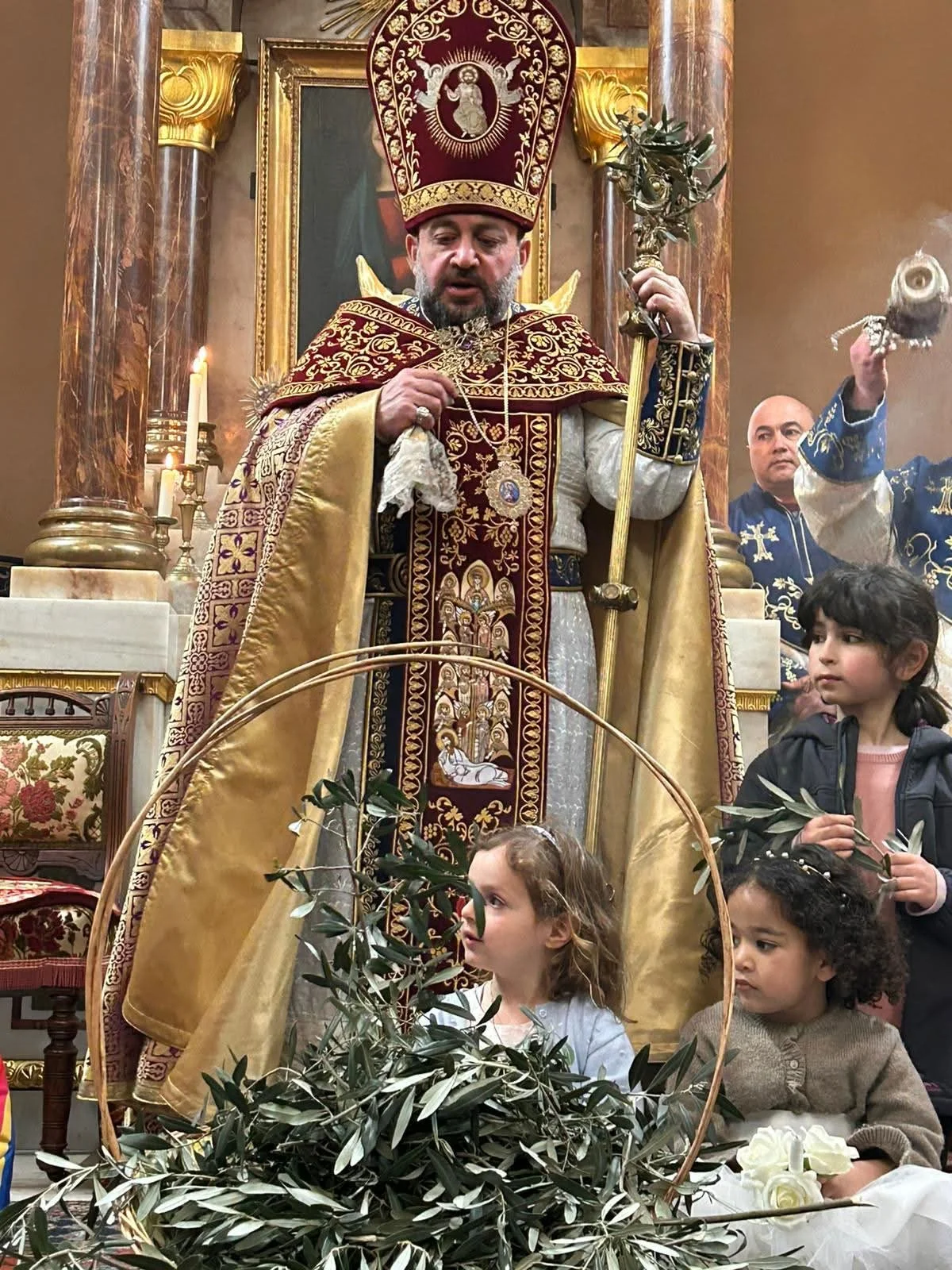
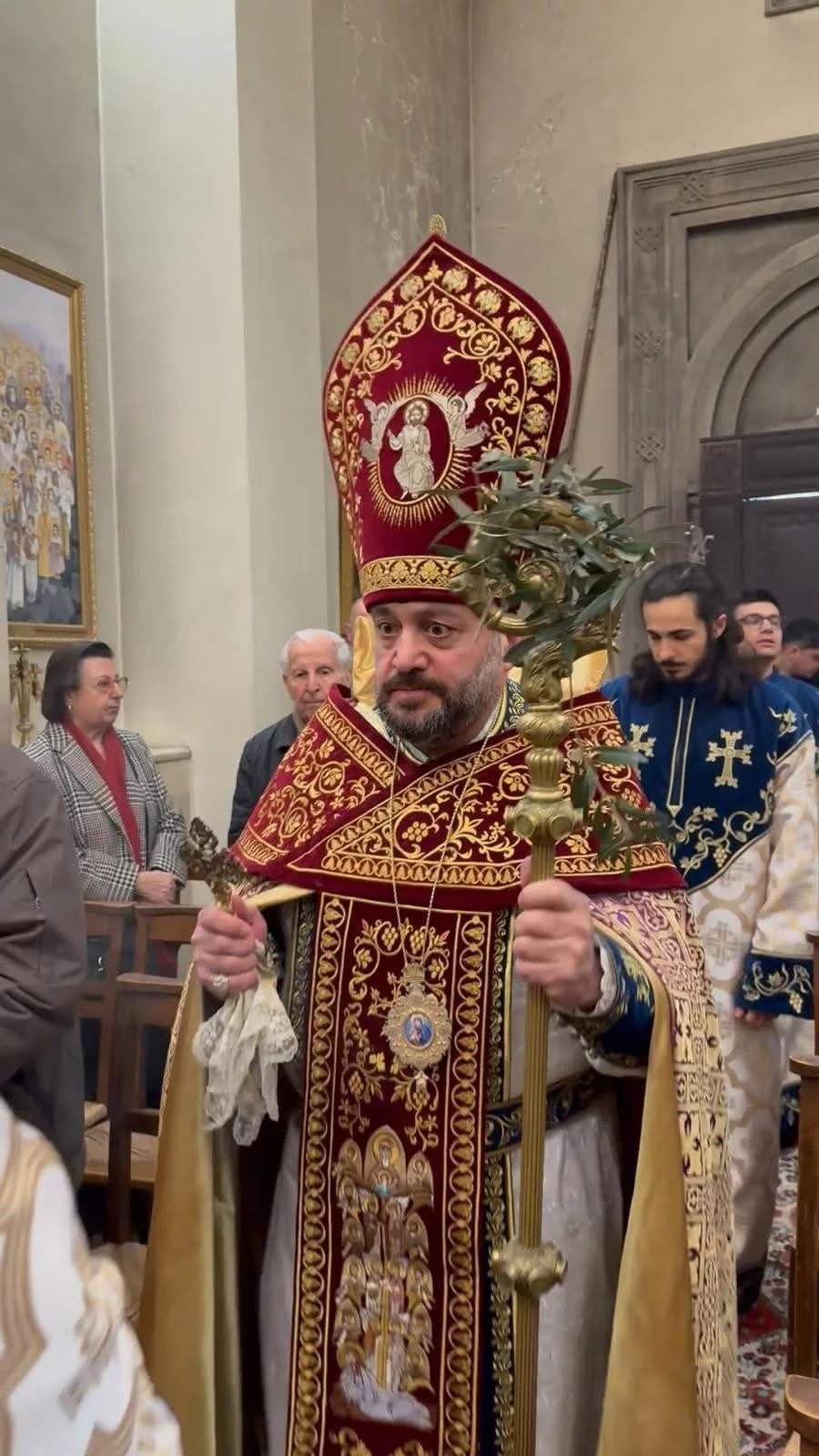
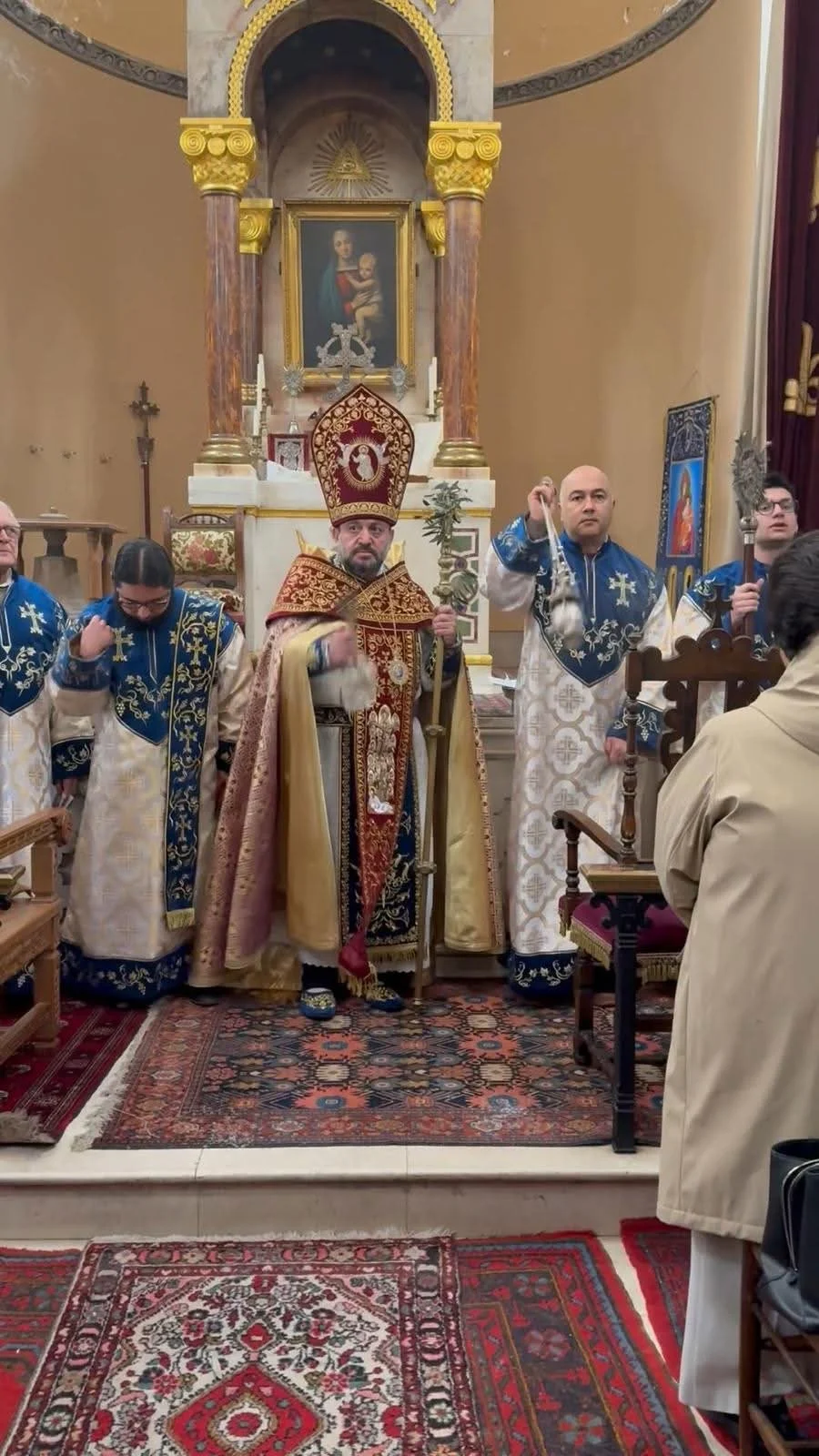
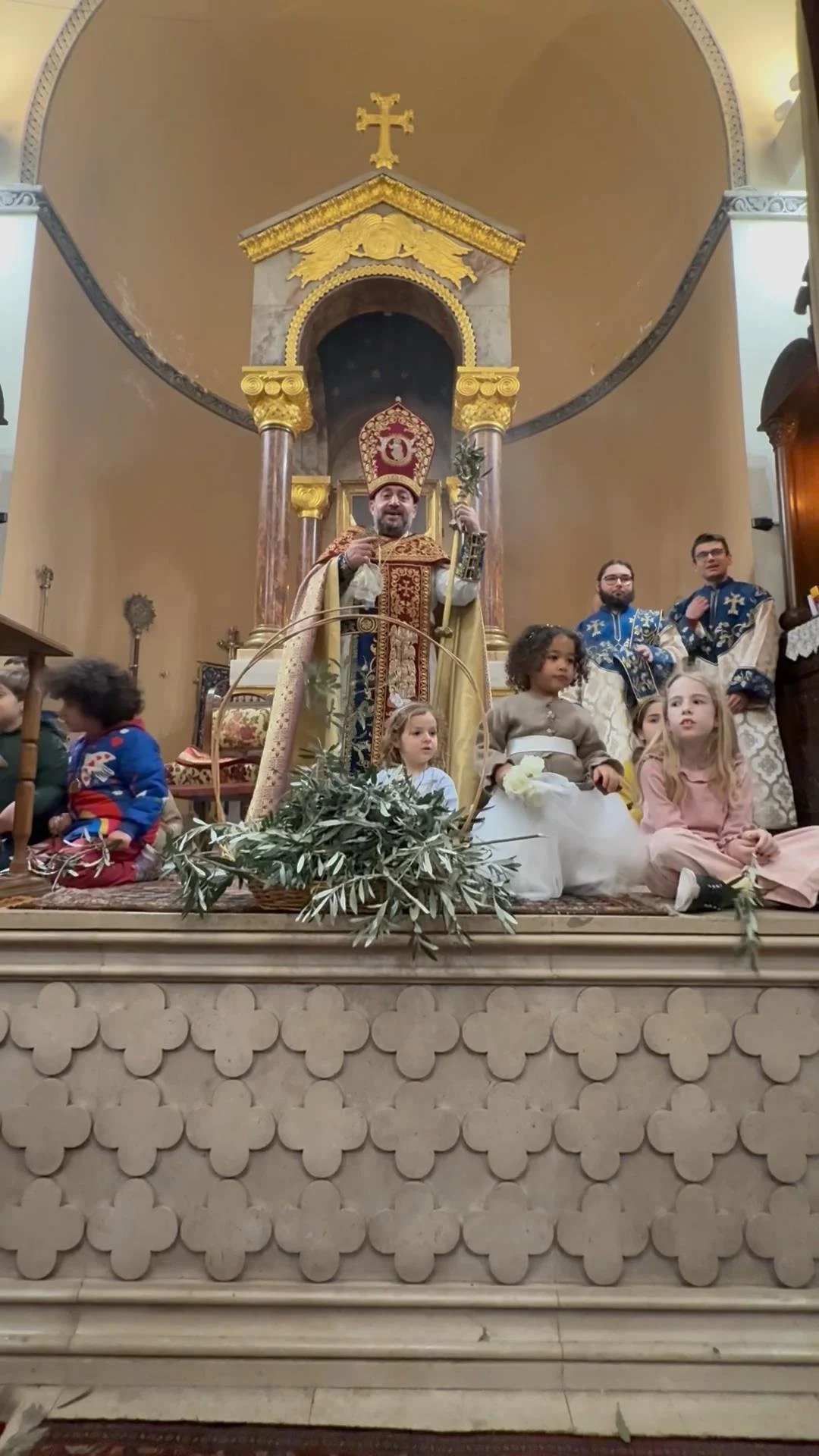
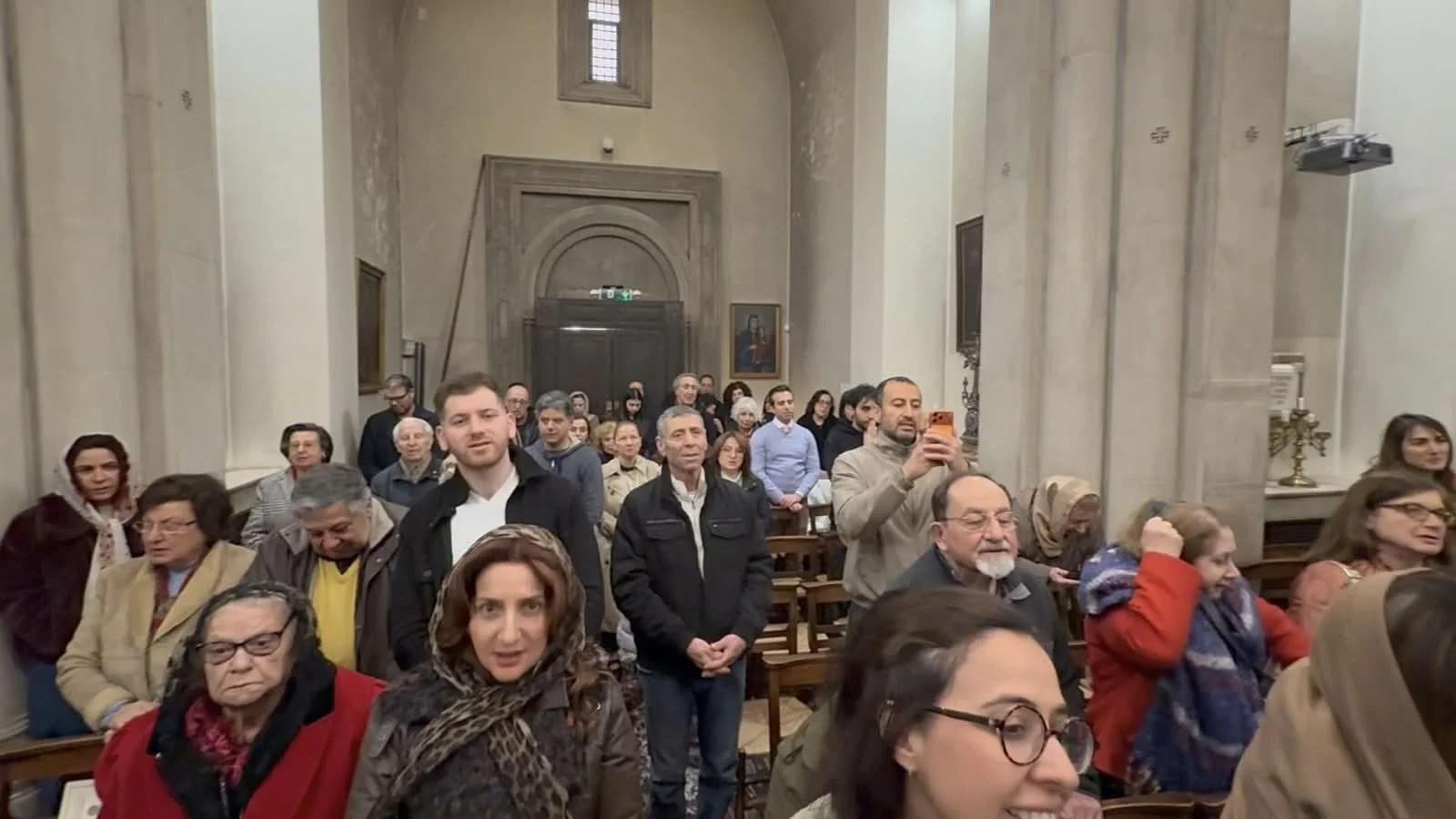
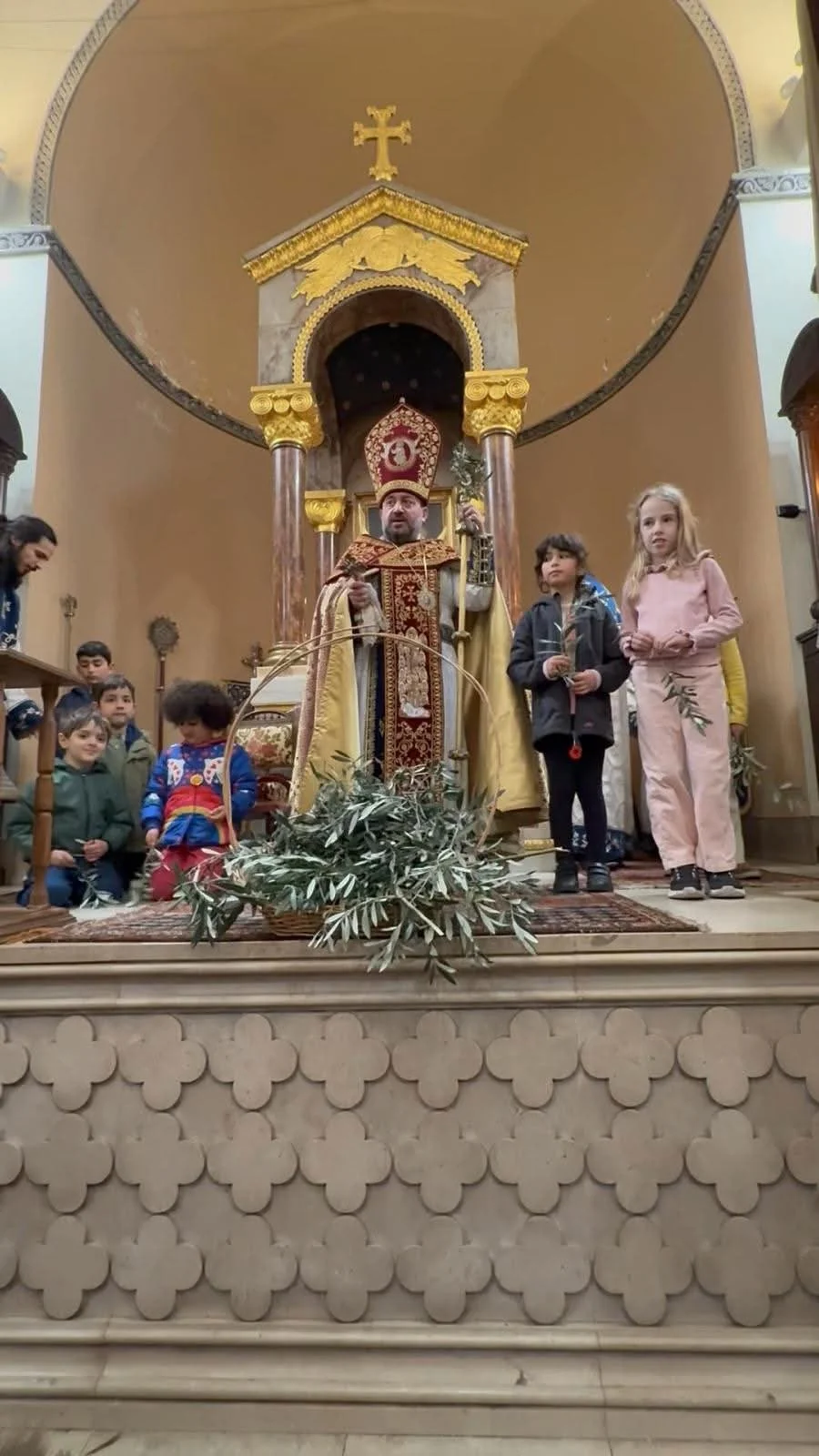
As Bishop Hovakim noted: “There is another door—the door of the human heart. Christ does not force it open. He knocks. The question is: will we open?”
In his message, the Bishop also reflected on two Gospel scenes following Christ’s entry into Jerusalem: the cleansing of the Temple and the praise of the children (Matthew 21:12–16). He explained that the Temple, intended as a house of prayer for all nations, had become overshadowed by noise and worldly concerns:
“If the temple of our heart is filled with the noise of the world, then the voice of God can no longer be heard.”
By contrast, the children—pure, trusting, and uncalculating—recognised Christ and praised Him with sincerity. Their example, he said, reveals the path for all believers:
“If we truly wish to welcome Christ, we must have two things: a purified heart and the faith of a child.”
Palm Sunday stands at the threshold of Holy Week, reminding the faithful of the contrast between the joyful cries of “Hosanna” and the later cries of “Crucify Him.” Bishop Hovakim encouraged the congregation to move beyond passing emotion towards a deeper and steadfast faith:
“Only then will our ‘Hosanna’ be true—not only on our lips, but in our whole life.”
The service concluded with prayers that the faithful may become living temples of God—hearts purified and ready to receive Christ, not only for a moment, but as a lasting presence within their lives.